Drawing Excellence and Sequentially Progressive Modules
Still Life Drawing
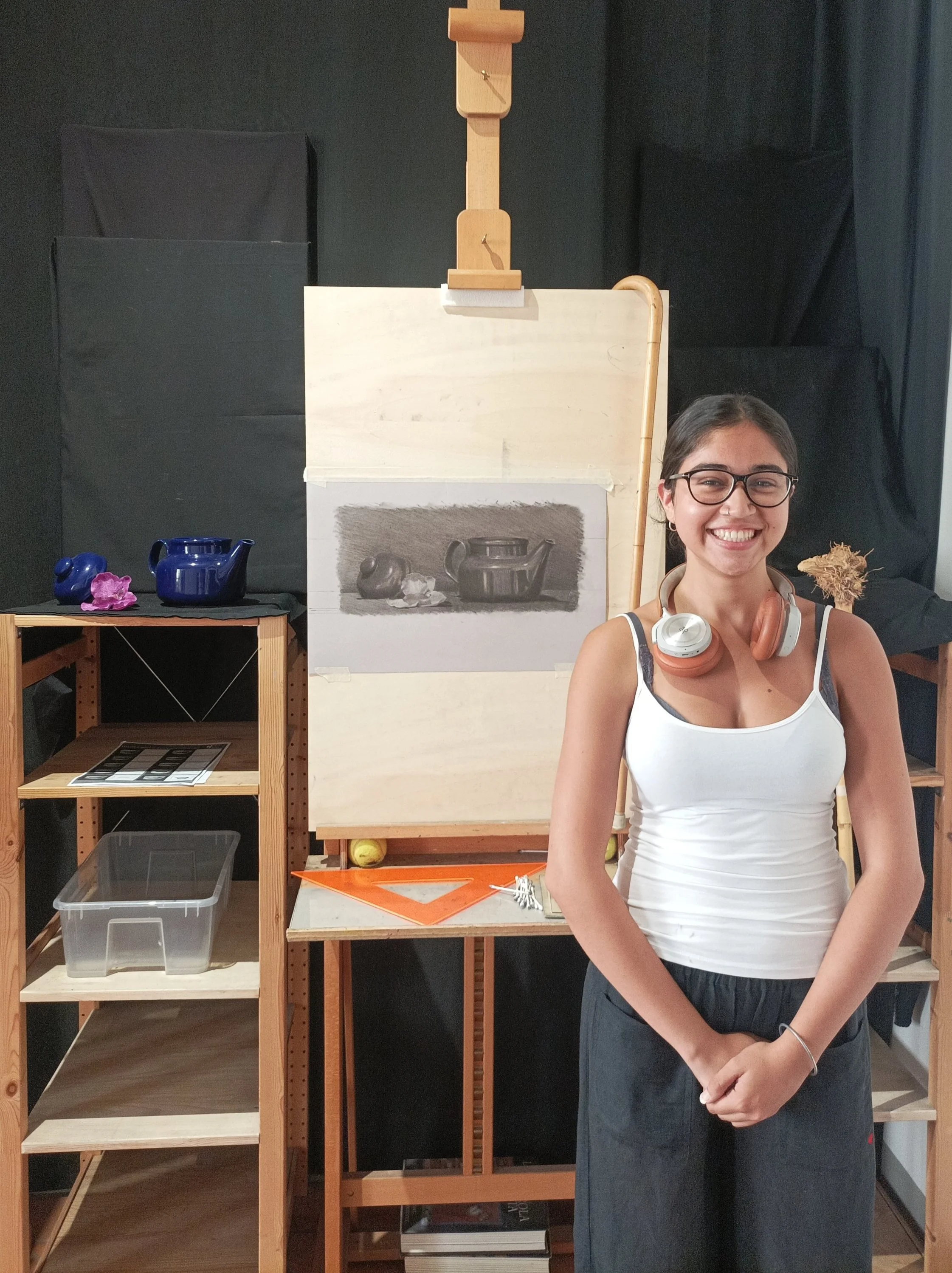
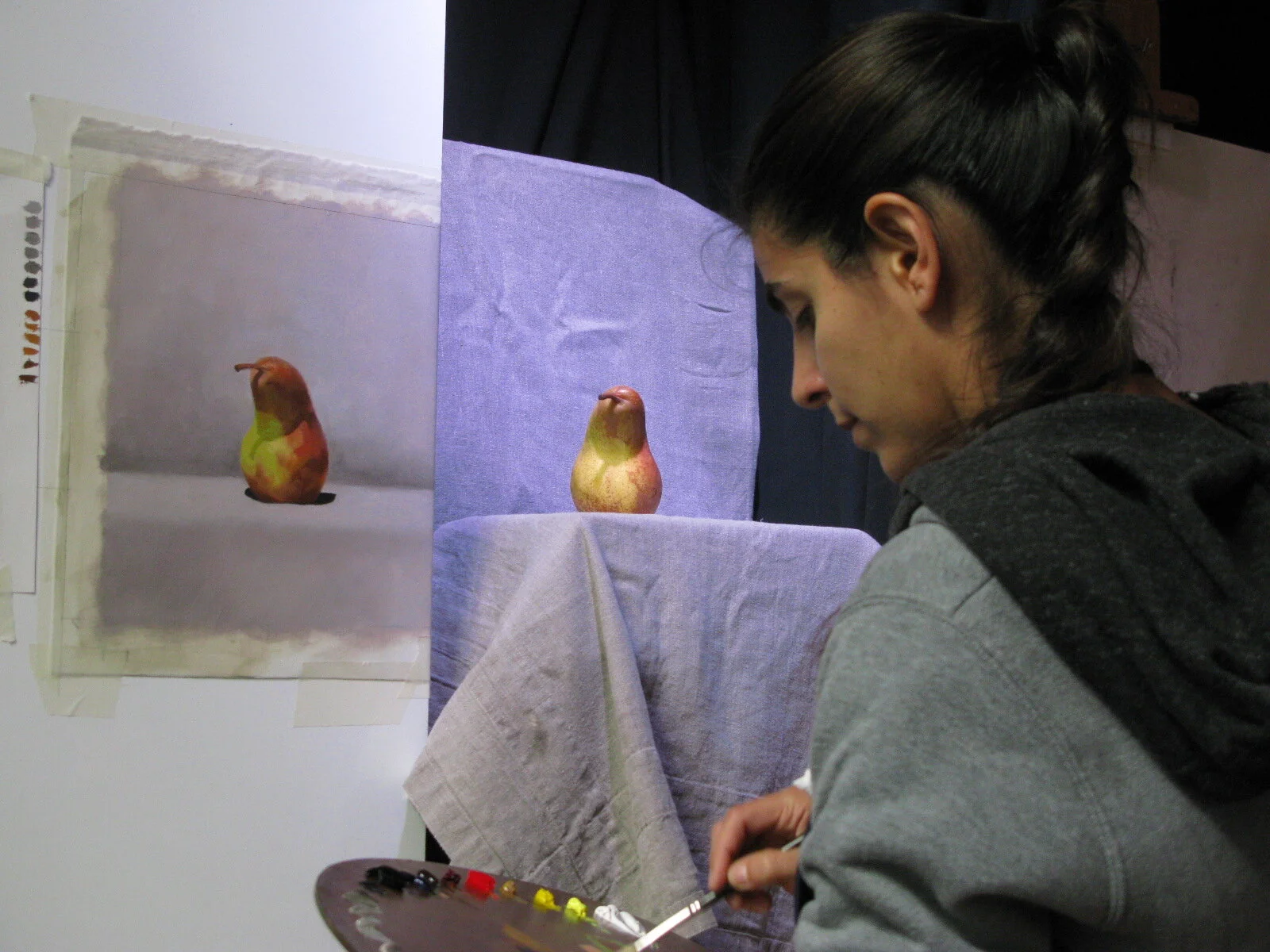
Still life provides an excellent opportunity to consolidate and expand the fundamental skills developed through the previous stages of the program. Working from a carefully arranged group of objects, students learn to observe and translate a subject in which form, proportion, space, light, and tonal relationships can be studied with particular clarity.
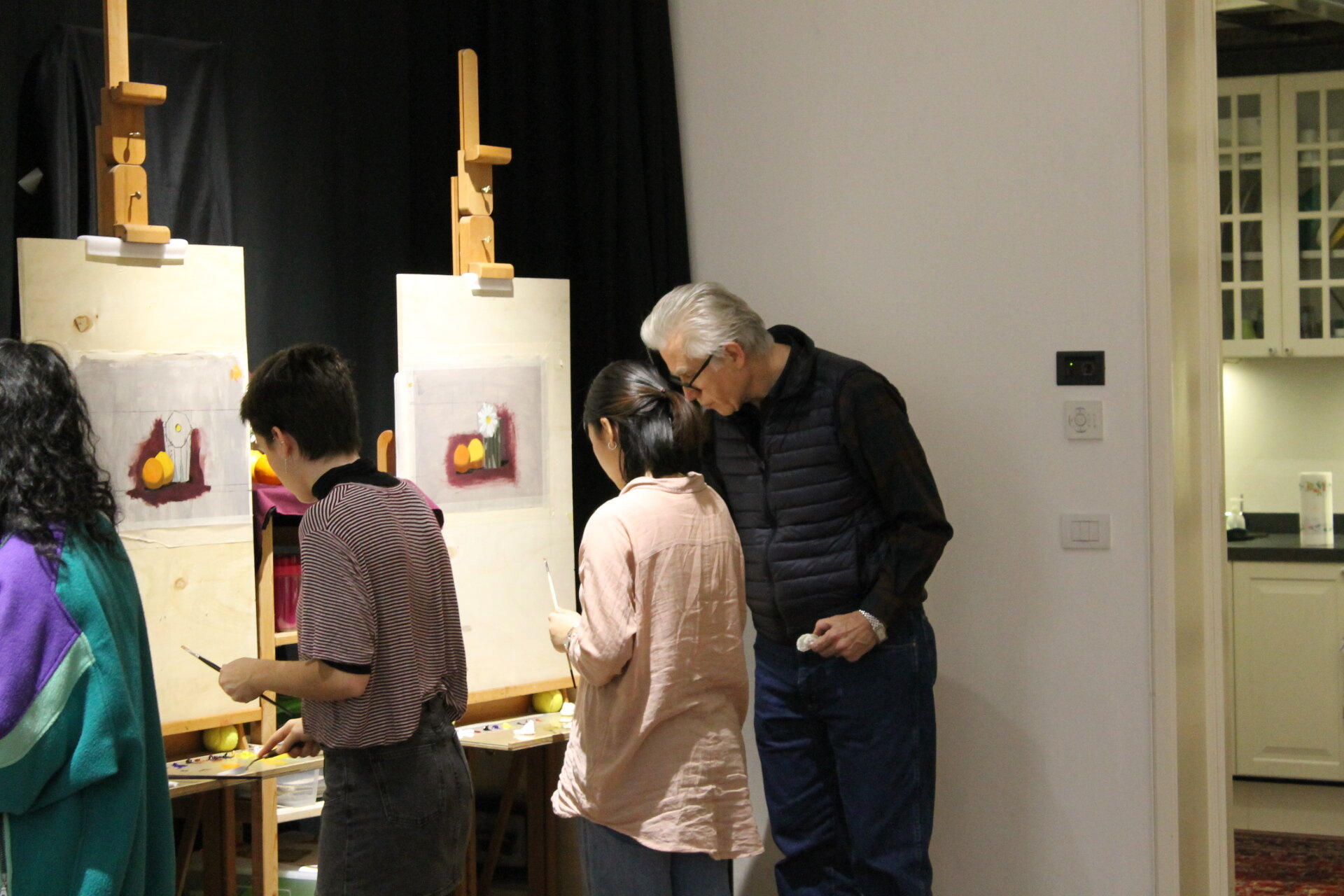
The complexity of each still life composition is determined following an initial discussion with the student, taking into consideration their previous experience, technical ability, and individual stage of development. The arrangement can therefore be adapted to provide an appropriate degree of challenge, allowing the student to work progressively toward greater complexity while maintaining the fundamental principles of accurate observation.
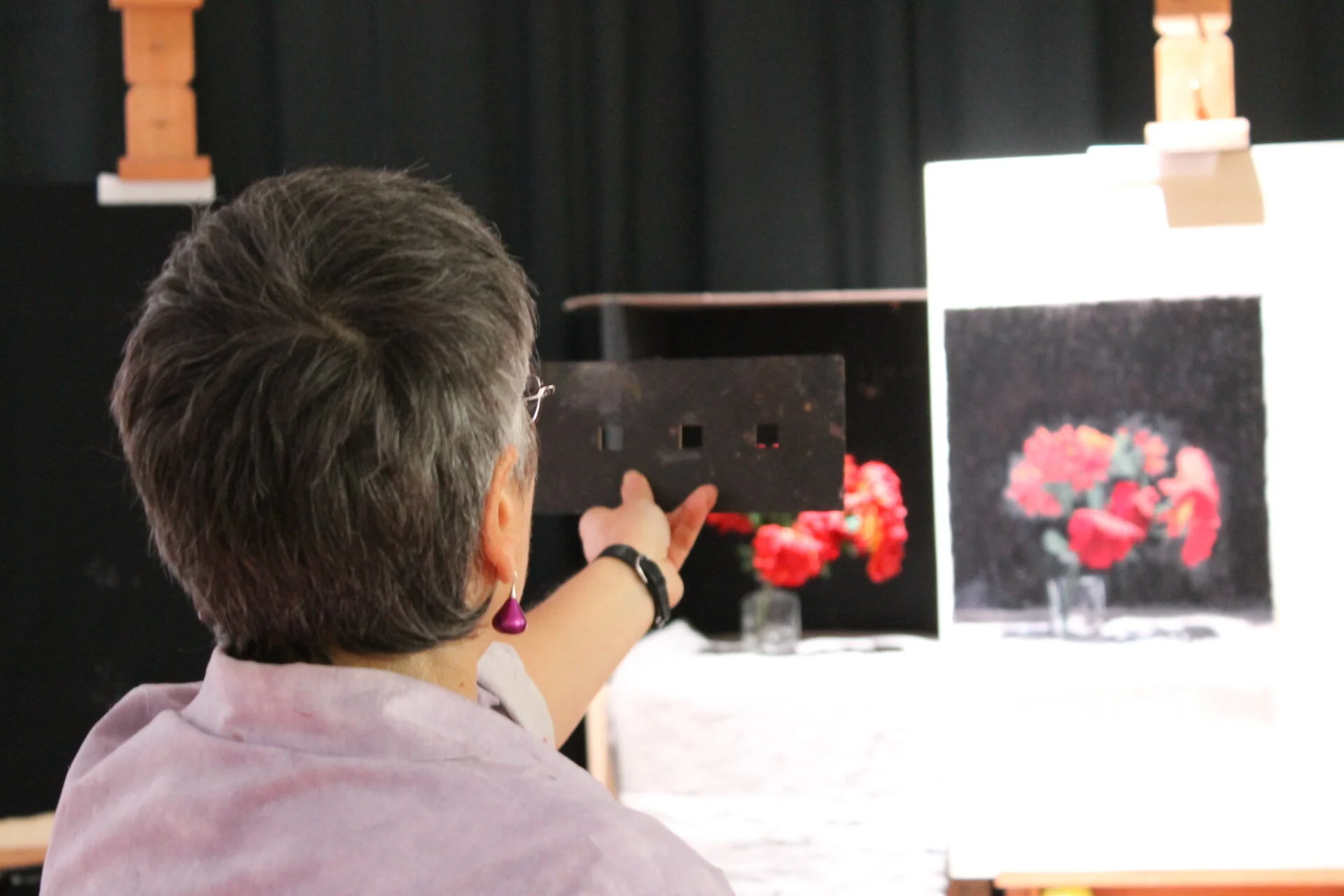
Particular attention is given to the organization of shapes and their relationships within the overall composition. Students learn to identify the principal masses before developing smaller details, establishing the placement, scale, proportion, and alignment of each element in relation to the whole. This encourages an understanding of composition as a unified structure rather than as a collection of separate objects.
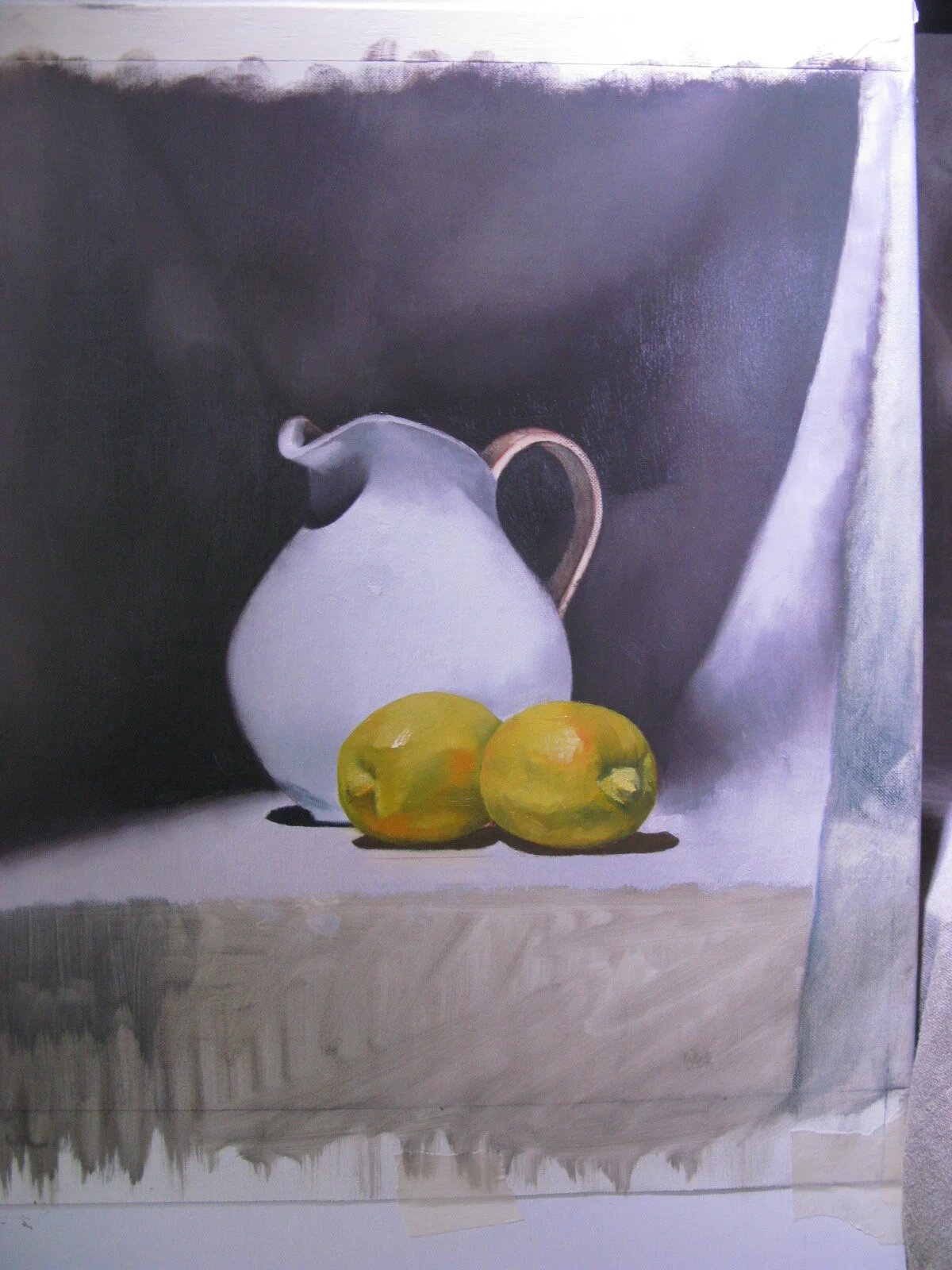
The study also places strong emphasis on tonal values. Students learn to observe the hierarchy of light and dark across the composition, distinguish illuminated areas from shadow, and recognize how changes in value describe the turning and volume of individual forms. The relationship between objects, their cast shadows, and the surrounding space becomes an essential part of the drawing.
As the work progresses, students refine the initial construction through increasingly careful observation and modeling. Attention is given to edges, transitions, and the subtle variations of value that contribute to the sense of material and three-dimensional form. Different objects provide different challenges, requiring the student to adapt their approach while maintaining consistency within the overall drawing.
Still life therefore serves not simply as an exercise in depicting objects, but as a controlled study of the fundamental elements of visual representation. It gives students the opportunity to bring together proportion, structure, composition, light, and tonal modeling while developing the patience and concentration required for sustained observational drawing.